

Experiencing Shakespeare in the Digital Age: How Online Theatre Connects and Moves Us
We are excited to share the news on the upcoming FWF project (funded by the Austrian Science Fund) “Digital Shakespeariences,” which is set to begin on 1 October 2026 at the research unit of Univ.-Prof. Dr. Christine Schwanecke and which will run for three years. The project will revolve all around contemporary online Shakespeare productions and the Graz team will, together with project partners in Austria, Germany, Romania, Sweden, and the UK, contribute to topical research in Shakespeare and Intermediality Studies as well as Digital Humanities.
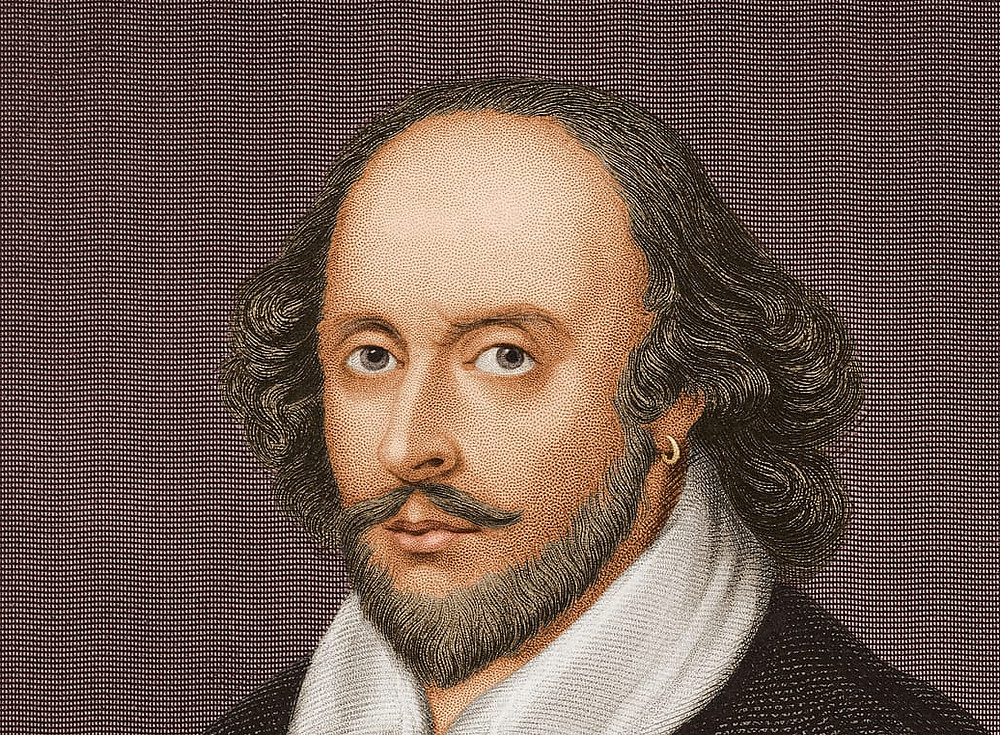
Even in the digital age, Shakespeare has lost none of his appeal. More and more of the Bard’s works are being performed online or in virtual worlds. Around the world, they are being staged in new, digital formats – from interactive online plays to virtual reality experiences. But what makes these digital Shakespeare productions so special? To what extent do they contribute to a particular ‘experience’ of classics, thereby proving themselves, in a sense, to be ‘Shakespeariences’? And how do they change the ways we engage with theatre and literature?
The project “Digital Shakespeariences,” based at the Centre for Cultural Studies and at the Department of English Studies at the University of Graz, explores these questions. The research focuses on how new online performances of Shakespeare’s plays are changing theatre, making it easier for everyone to engage with classical works of ‘high culture,’ such as Shakespeare’s – no matter where they live or how much they already know about Shakespeare. The project investigates how these digital productions touch audiences emotionally and help break down cultural barriers.
To do this, the team studies recent digital Shakespeare performances in the English language from Europe and the English-speaking world. The research team led by Principal Investigator Christine Schwanecke is examining how these pieces are structured, which digital tools (such as chats, videos, social media or virtual reality) are used, and how the audience responds to them. The team also pays attention to content beyond the theatre production, such as behind-the-scenes videos, interviews, or comments shared by audiences online, since these often contribute to shaping the overall experience.
A special focus of “Digital Shakespeariences” is on how digital theatre opens new ways to get people interested and involved. People who may never go to a traditional theatre can now watch or even participate in performances from their own homes, sometimes joining the action or sharing their thoughts directly. This makes Shakespeare’s stories come alive for many new people – regardless of age, background, or education.
The research combines traditional approaches from literature with modern digital methods. The team not only analyzes the online performances themselves, but also collects feedback and stories from audiences to understand what kinds of feelings and connections digital theatre can inspire. With “Digital Shakespeariences,” the project team, together with their national and international partners, will shed light on how we experience theatre and classic literature in the digital age – and they explore how iconic works like Shakespeare’s can stay vibrant, meaningful, and accessible to all.
Interested? Any questions? In that case, please approach Univ.-Prof. Dr. Christine Schwanecke (zentrum.kuwi@uni-graz.at).